Do you think you might be depressed? Anyone could experience it, but not everyone knows about it. Here are some of the signs and symptoms to look for and tips for getting the help you need.
By Jalilul, Llagas, and Cabanilla



Depression isn’t who I am, it’s just something I have.
What is depression? – It is a serious medical illness that negatively affects how you feel, the way you think and how you act. It can lead to a variety of emotional and physical problems and can decrease a person’s will to live.
Types of Depression and their symptoms:
Major Depression – also known as major depressive or unipolar depression, is characterized by a persistent feeling of sadness or a lack of interest in activities. If you are experiencing these 5 symptoms for 2 weeks or more, you might be having this type of depression.
- Suicidal thoughts
- Lashing out at loved ones
- Increase in sleeping
- Inability to focus
- Exhaustion
Persistent Depression – also known as Dysthymia, is a long-term form of depression that lasts for years and can interfere with daily life. They often find it difficult to be happy even on typically joyous occasions. Symptoms can come and go over time, and the intensity of the symptoms can change, but it won’t disappear for more than two months at a time.
- Low self esteem
- Inability to feel joy even at happy occasions
- Difficulty functioning at school or work
- Deep Sadness
- Concentration and memory problems
Depressive Psychosis – It involves hallucinations and delusions. Hallucinations are when you see, hear, smell, taste, or feel things that aren’t really there. Hearing voices or seeing people who aren’t present. A delusion is a belief that’s clearly false or doesn’t make sense. But to someone experiencing psychosis, all of these things are very real and true.
Situational Depression – It happens when these feelings start to feel out due to the triggering events like death of a loved ones, emotionally or physically abusive relationships or other life threatening events and interfere with your daily life.
- Frequent crying
- Difficulty sleeping
- Hopelessness
- Fatigue
- Anxiety
Postpartum Depression– Sadness and crying that follow childbirth are known as the “baby blues.” It is common and tend to decrease within a week or two. This type of sadness is often attributed to the dramatic hormonal changes that follow childbirth.
- Feeling distant from family and friends
- Feeling tired most of the day
- Feeling angry or irritable
- Having feelings of anxiety, worry, or panic attacks.
What causes depression? It is not fully understood but is due to a complex combination of factors
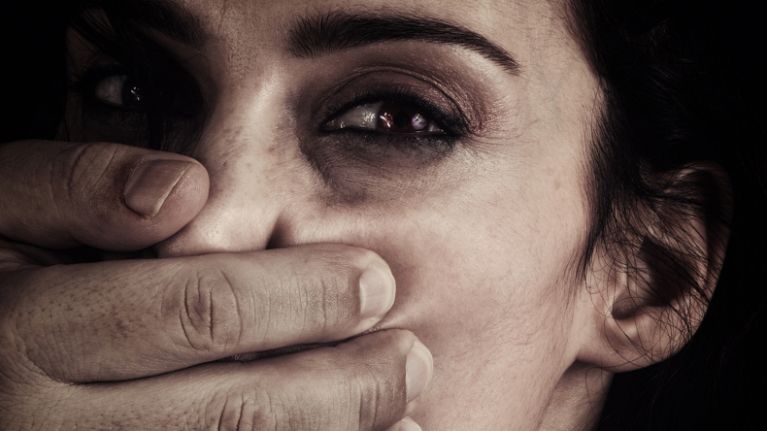




- Abuse
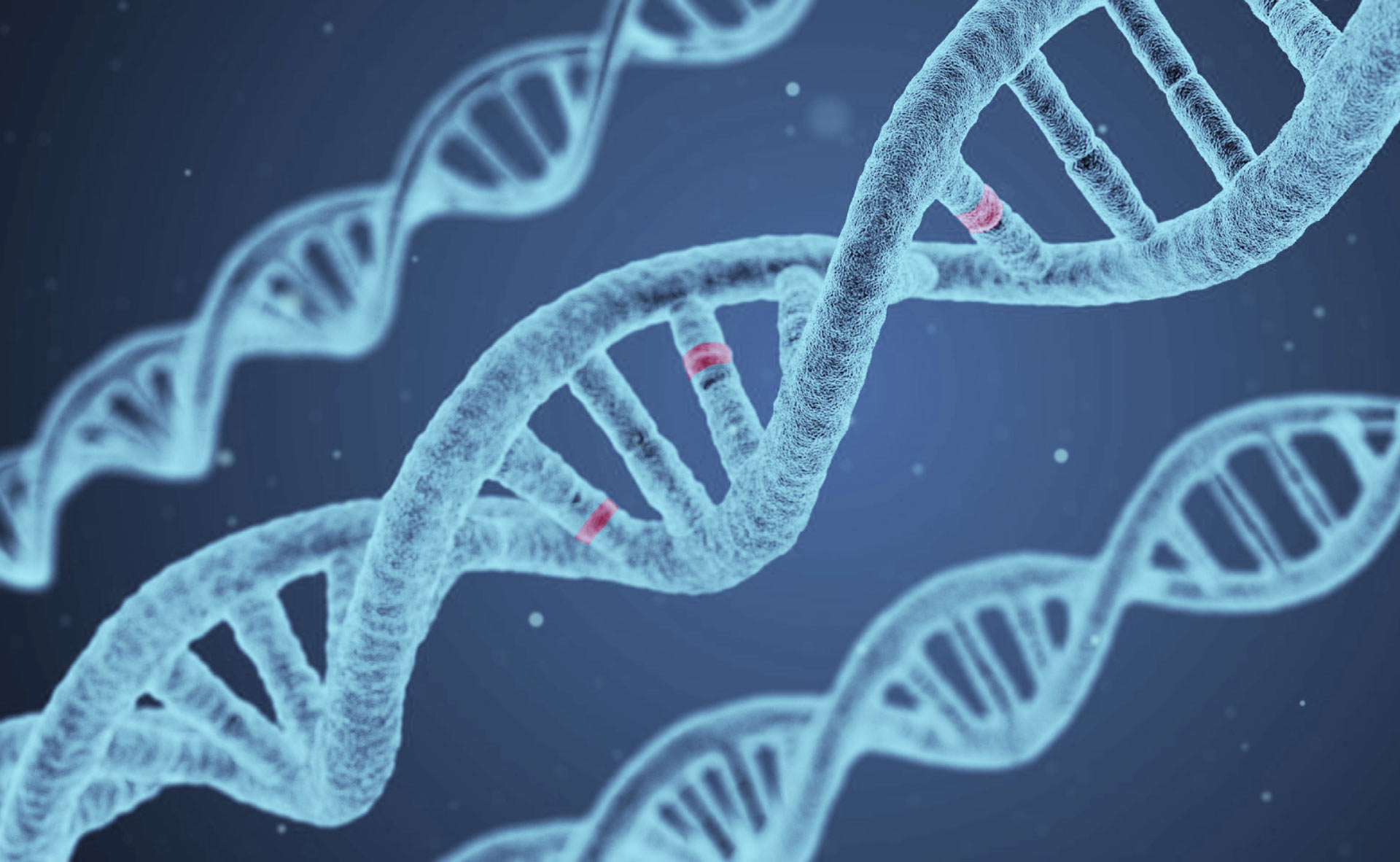
- Genetic factors
- Trauma
- Too much use of alcohol and drugs
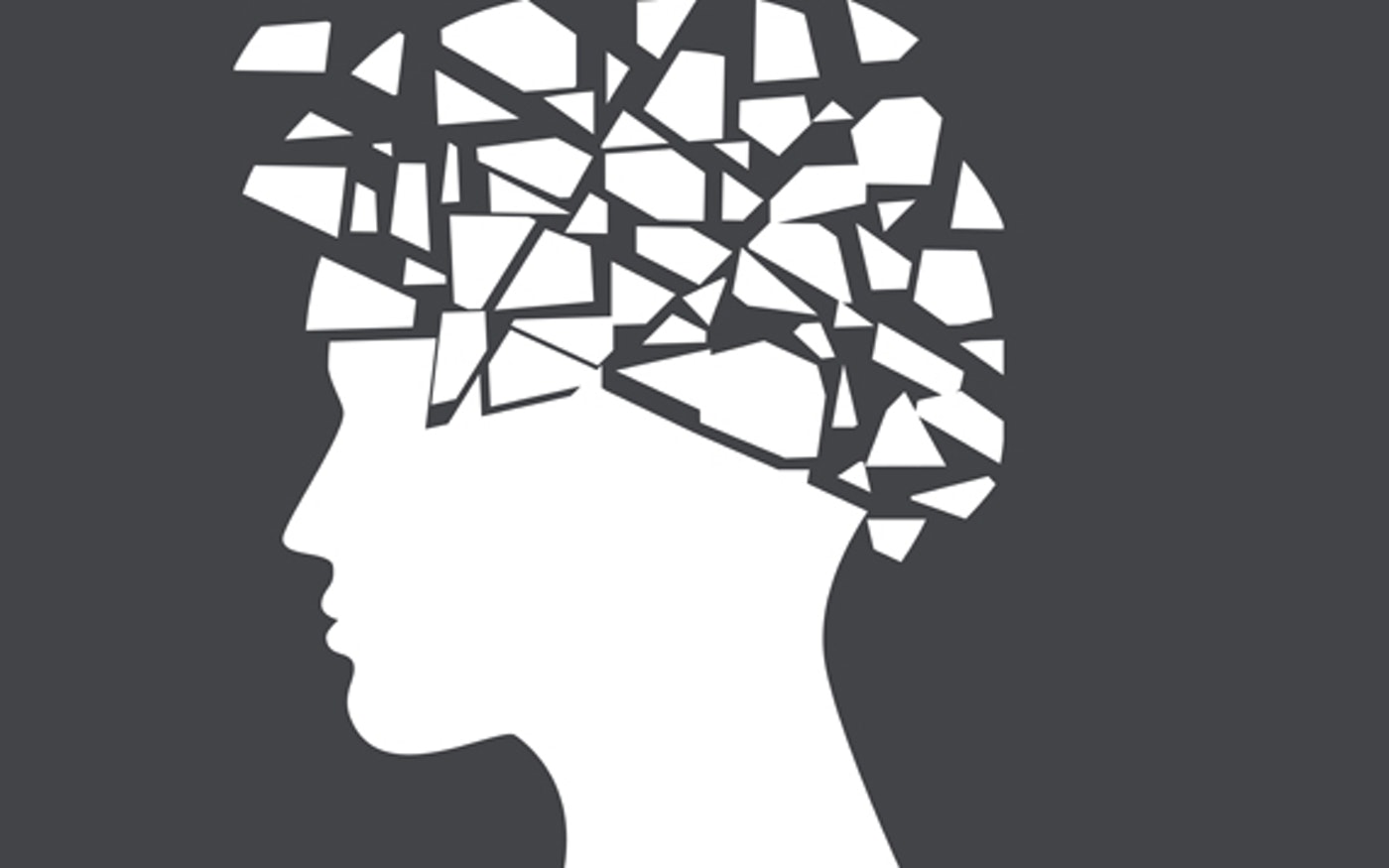
- A past head injury
- Serious Illness
- Personal problem
How to prevent depression?
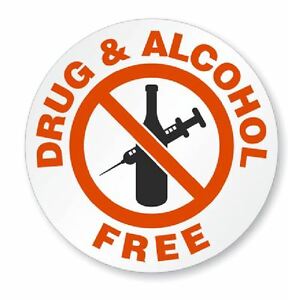
Avoid drugs and alcohol. The excessive use of alcohol and any drug is associated with higher risks of depression .For most people, moderate alcohol consumption is not a problem, but for people with depression, alcohol or drug use can make their symptoms worse.

Exercise regularly. Both high-intensity and low-intensity exercise is beneficial in helping prevent depression. High-intensity exercise releases the feel-good chemicals, known as endorphins, into the body. Low-intensity exercise helps release proteins called neurotrophic factors, which improve brain function and make a person feel better.

Get plenty of sleep. Sleep has a strong effect on mood. When you don’t get enough sleep, your depression symptoms will be worse. Sleep deprivation aggravate irritability, sadness, and fatigue. Make sure you’re getting enough sleep each night.
Stay away from toxic people. We’ve all met that person who just makes us feel bad about ourselves. They may be an outright bully or someone who’s gonna put us down to make themselves feel better. Regardless of the situation, toxic people should be avoided at all costs.
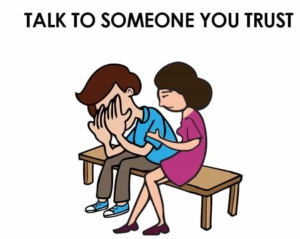
Talk to someone you trust. Many people don’t want to talk about depression because they think they can handle it on their own, or don’t want to burden others. But talking to them can give you the social support you need. Just remember, they are not licensed therapists. So if you start having depression symptoms, you should reach out to your doctor or therapist.

“You deserve to know how important you are to all of the people in your life. I know you are feeling like the world is all on your shoulders and that world feels like a million pounds. You don’t know if you can hold it all and do anything right. At this point, you don’t see how it will get better. But remember, even though right now you may be in the darkest place that you could ever imagine, you need to know that you are the light at the end of the tunnel. “
Never think that you are irreplaceable.
Never wonder if you should be in this world.
Never let this disease define who you are.
Need some help? Here’s our directory for mental health hotlines
- Natasha Goulbourn Foundation (NGF) – (02) 804-4673, 0917 558 4673 or 2919
- Manila Lifeline Centre (MLC) – (02) 8969191 or 0917 854 9191.
- In Touch Community Services Crisis Lines – 0917 8001123, 0922 8938944.
- Living Free Foundation – 0917 322 7087
- Dial-a-Friend – (02) 5251743 or (02) 5251881.
So informative
It’s a very great blog l. Especially for those people who are experiencing depression nowadays.
Very helpful! 💖 Thankyou.
Very helpful blog! Nice


 Mental Health
Nice blog thanks for the wonderful information👍